
Large Format Porcelain Slabs vs Traditional Tile: Which is Best for Bathroom Walls?
When planning a high-end bathroom remodel, the walls dictate the entire atmosphere and functionality of the space. For decades, traditional tile has been the default choice for walk-in showers and vanity backsplashes. However, a modern contender has rapidly reshaped luxury interior design, the large format porcelain slab.
Deciding between the seamless, monolithic grandeur of a slab and the classic, patterned charm of traditional tile requires a deep understanding of how these materials perform in wet environments.
Defining the Materials and Their Dimensions
To make an informed decision for your renovation, it is essential to understand the physical scale and manufacturing processes behind these two popular wall coverings.
What Are Traditional Bathroom Tiles?
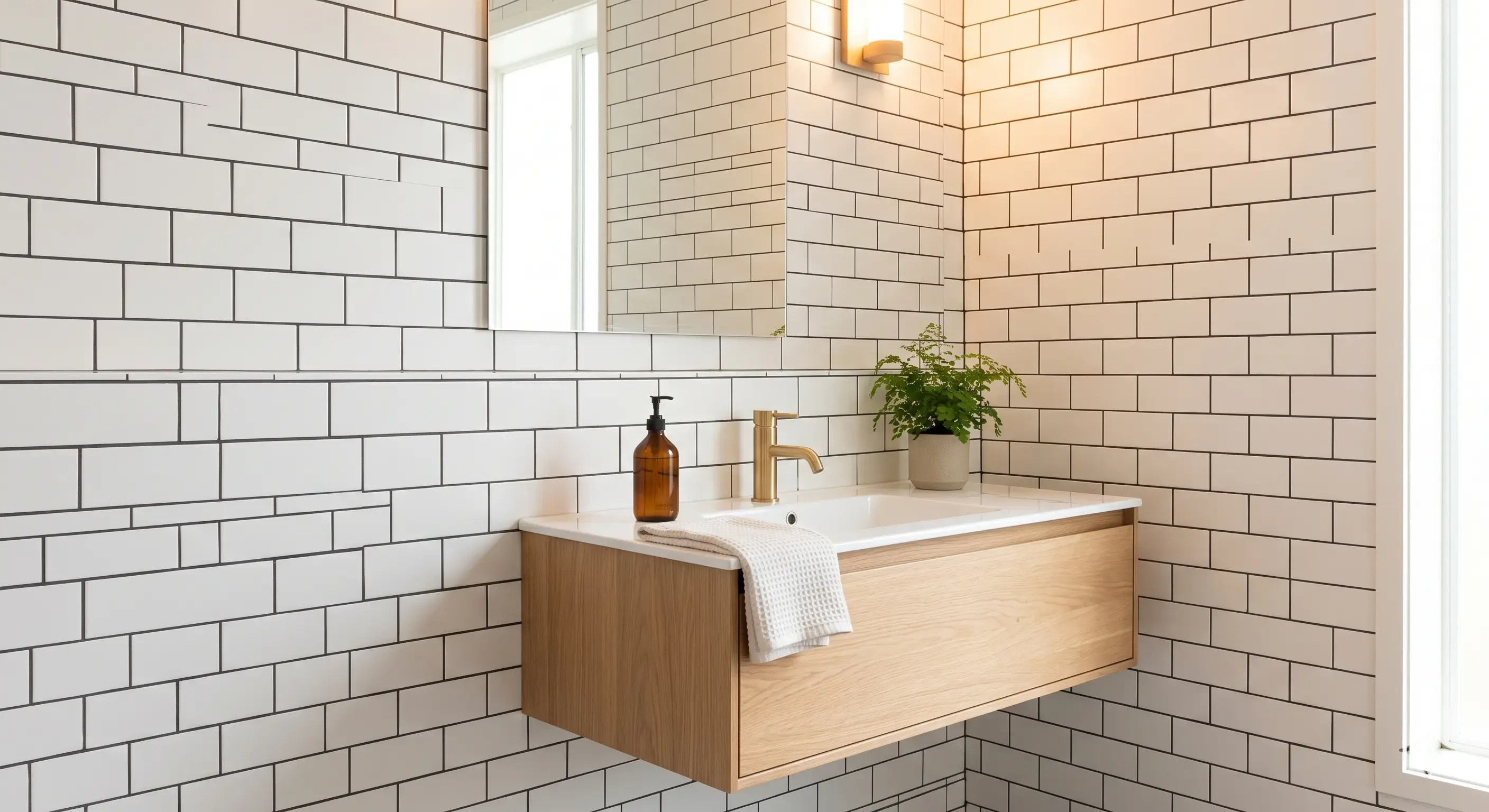
Traditional tiles are typically crafted from ceramic, porcelain, or natural stone and are cut into smaller, manageable dimensions. Common sizes range from classic subway rectangles up to twenty-four-inch squares, requiring a distinct grid of grout lines to hold the individual pieces together across a wall.
What Are Large Format Porcelain Slabs?
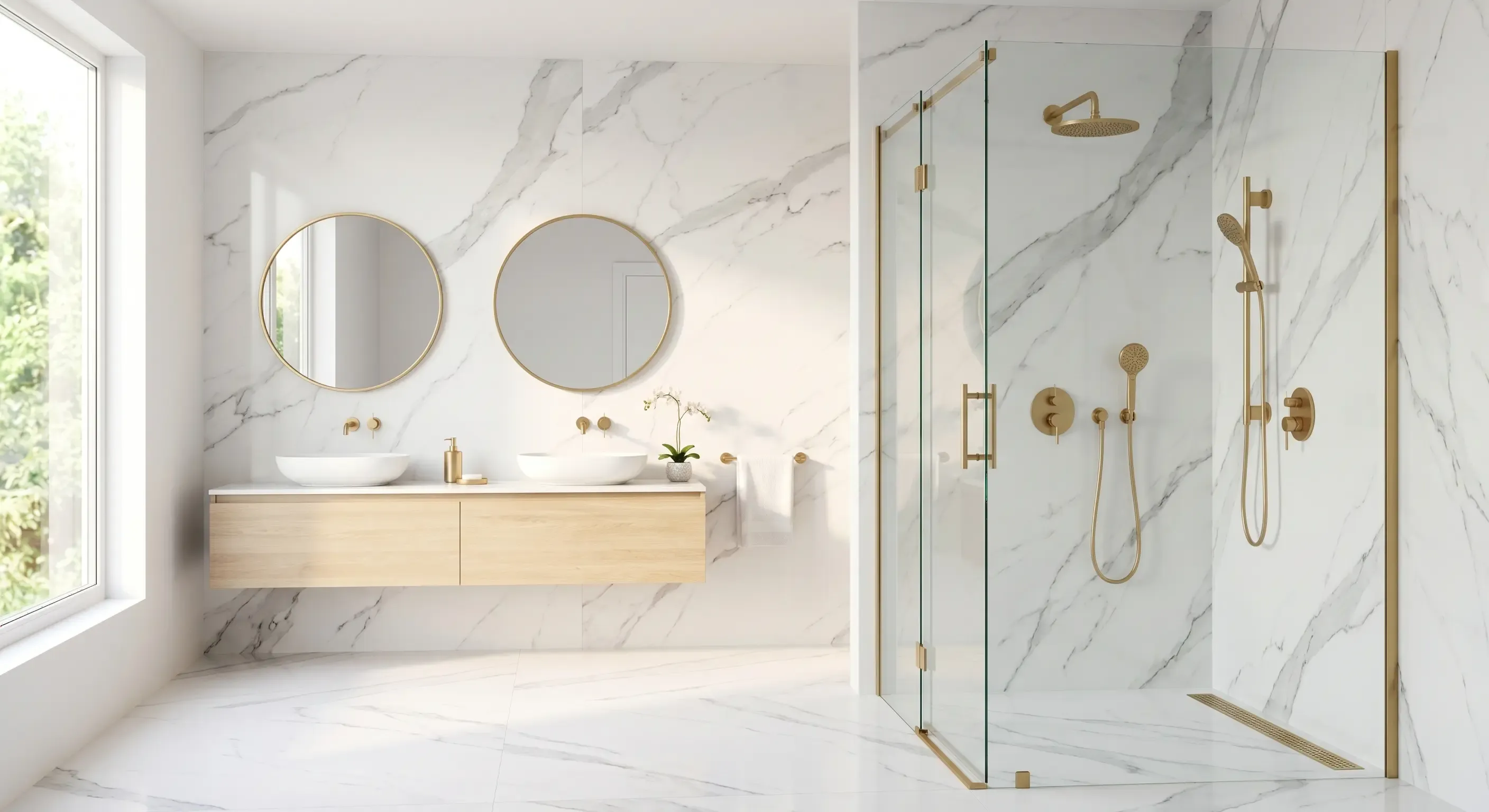
Large format slabs are massive, continuous sheets of porcelain designed to cover extensive surface areas with minimal seams. These impressive architectural panels can reach heights of over ten feet, allowing a single slab to stretch from the bathroom floor all the way to the ceiling without a single horizontal break.
The Manufacturing Differences Explained
While both are fired in kilns, the production methods differ greatly. Slabs are manufactured using advanced compaction technology that presses ultra-fine clay into incredibly dense, thin sheets, which are then printed with high-definition digital graphics to flawlessly mimic rare natural stones.
Traditional tiles are formed in molds and baked, resulting in thicker, smaller units that prioritize ease of handling over uninterrupted scale.
Aesthetic Impact and Design Capabilities
The visual difference between these two materials completely transforms the spatial perception and architectural style of your bathroom.
- Seamless Luxury: Porcelain slabs eliminate visual clutter by removing the grid pattern, creating a sleek, highly luxurious aesthetic favored in contemporary homes.
- Geometric Design: Traditional tiles allow for creative, intricate layouts like herringbone, chevron, or staggered brick patterns to add texture and character.
- Spatial Illusion: The continuous, uninterrupted surface of a large format slab reflects light beautifully, making compact or narrow bathrooms feel significantly larger.
- Vein Matching: Slabs can be precisely bookmatched to create dramatic, continuous mirror-image mineral patterns across massive shower walls.
- Classic Charm: Smaller tiles provide a timeless, artisanal appeal that perfectly complements vintage, transitional, or craftsman-style interior designs.
Comparing Durability and Water Resistance
Bathrooms are inherently high-moisture environments, meaning your chosen wall material must withstand daily humidity, direct water exposure, and temperature fluctuations.
Handling Moisture in Shower Environments
Porcelain, regardless of its size, is virtually impervious to water, boasting an absorption rate of less than half a percent.
This makes both large slabs and traditional porcelain tiles exceptional barriers against moisture, preventing water from seeping into the drywall or structural framing behind your shower walls.
The Impact of Grout Lines on Longevity
The true vulnerability in any wet environment is not the tile itself, but the grout holding it together. Traditional tile installations feature hundreds of intersecting grout lines that can crack, shrink, or absorb water over time if not properly sealed.
Slabs drastically reduce or entirely eliminate these grout lines, significantly lowering the risk of water damage within the wall cavity.
Scratch and Impact Resistance on Vertical Surfaces
Fired at extreme temperatures, porcelain is incredibly dense and resistant to scratching from daily bathroom items.
However, because large format slabs are manufactured to be remarkably thin, often between six and twelve millimeters, they require a perfectly flat substrate to prevent impact damage. Traditional, thicker tiles offer slightly more structural forgiveness against heavy, localized impacts.
Cleaning and Long-Term Maintenance Requirements
Review this breakdown to understand the long-term upkeep required to keep your bathroom walls pristine.
Maintenance Factor | Traditional Tile | Large Format Porcelain Slabs |
Routine Cleaning | Frequent scrubbing of grout joints | Simple wipe down with mild soap |
Mold & Mildew Risk | High (grout lines trap moisture) | Extremely low |
Sealing Required | Yes (grout requires annual sealing) | Never |
Long-Term Discoloration | Grout lines may yellow or stain | Remains factory-perfect |
Ready to elevate your bathroom design? Speak with the luxury surface experts at Bay Stone Depot today to find the perfect materials for your next renovation.
Installation Complexity and Contractor Expertise
Traditional tile is highly forgiving. General contractors handle it easily using basic wet saws and manual spacers. If an error occurs, replacing a single small tile is simple.
Large format porcelain slabs demand specialized engineering. Because they are thin and heavy, they snap easily if mishandled. Installers must use suction cup lifting frames and track cutters. The substrate must be perfectly level to prevent lippage (uneven edges). A certified crew must apply full-coverage mortar to eliminate air pockets and guarantee structural stability.
Cost Analysis for Bathroom Wall Projects
Traditional tile keeps your budget predictable. It is mass-produced, and widespread installer availability keeps labor costs low. Material waste is minimal since cut pieces fit easily into corners.
Large format slabs require a premium financial investment. Transporting these massive panels requires specialized A-frame crates and delivery vehicles. You are paying for advanced fabrication tools and a multi-person crew. However, removing grout maintenance lowers your long-term repair and deep-cleaning costs.
Making the Right Choice for Your Bathroom Size
Room scale should dictate your material selection. In small bathrooms, a dense grid of grout lines creates visual clutter, making the space feel cramped. Expansive porcelain slabs create a continuous visual plane that expands the room, making it look brighter and larger.
Traditional tile excels in complex architectural layouts. If your bathroom has sloped ceilings, pillars, or recessed shower niches, smaller tiles easily navigate those sharp angles. Cutting a massive slab for irregular layouts causes excessive material waste and increases cracking risks during fabrication.
Conclusion
Both materials deliver exceptional water resistance and durability for bathroom walls. Traditional tile provides design flexibility, classic charm, and an accessible budget. Large format porcelain slabs offer a seamless, modern aesthetic that eliminates grout cleaning entirely. Choose the material that best matches your renovation budget, layout complexity, and maintenance preferences.
Take the next step in your bathroom transformation. Visit the Bay Stone Depot showroom in San Jose to browse our exquisite porcelain collections and consult with our expert design team.