
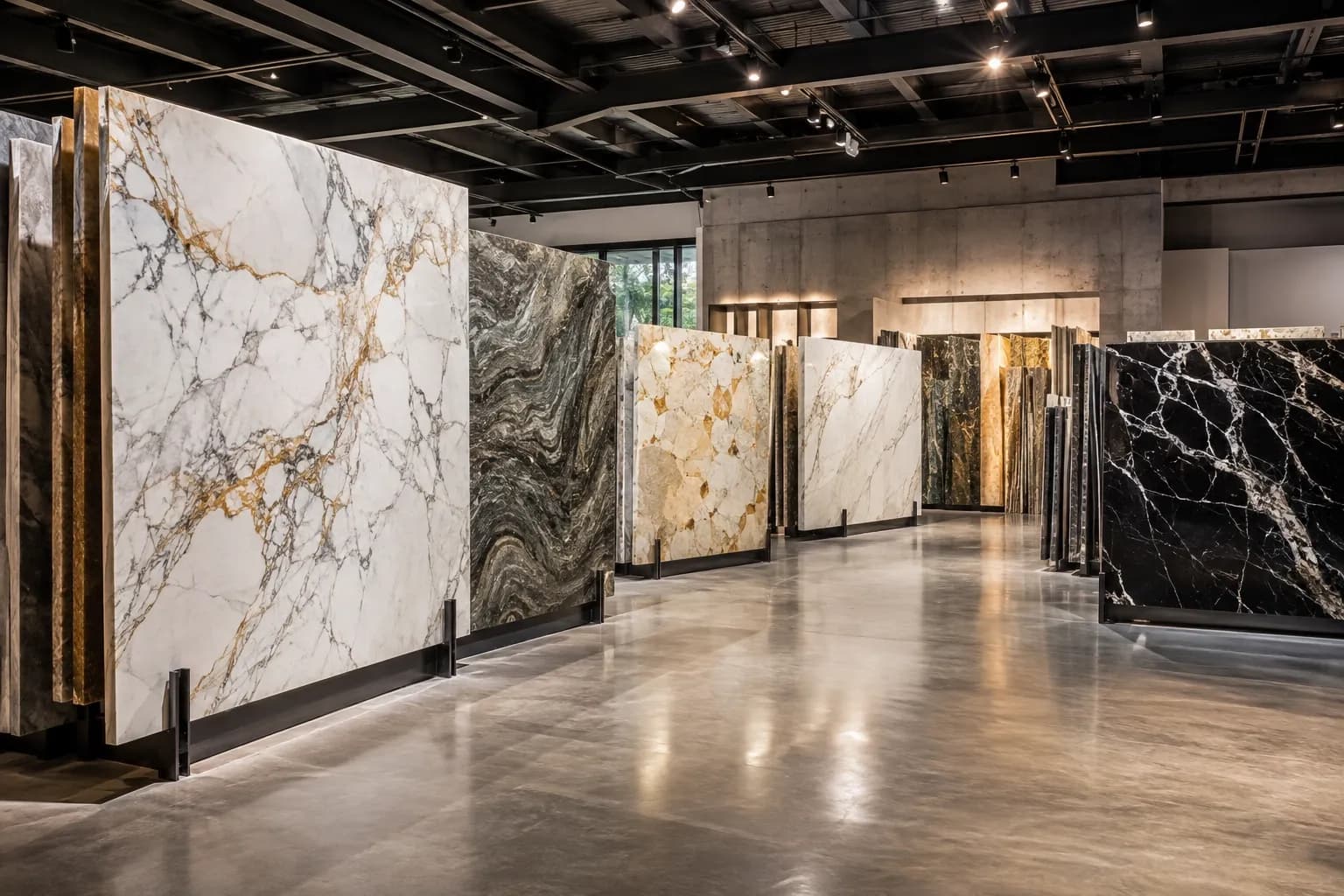
How to Buy Natural Stone Slabs: A First-Timer's Guide
Buying Natural Stone Slabs starts with choosing the right material for your project, understanding its appearance and durability, and inspecting the slab before making a decision. Whether you're renovating a kitchen, bathroom, or commercial space, selecting the right stone helps ensure long-lasting beauty and performance.
For first-time buyers, the wide variety of colors, patterns, and stone types can feel overwhelming. This guide explains the different types of natural stone slabs, what to consider before purchasing, and how to make a confident choice for your home or business.
What Are Natural Stone Slabs?
Natural stone slabs are large pieces of stone cut directly from blocks quarried from the earth. Unlike engineered materials, each slab is naturally formed over thousands or even millions of years, giving it unique colors, veining, and textures that cannot be duplicated.
These slabs are commonly used for kitchen countertops, bathroom vanities, fireplace surrounds, feature walls, and other interior or exterior applications. Because every piece is different, natural stone adds character and individuality to each project.
One of the biggest advantages of natural stone slabs for countertops is their timeless appeal. With proper fabrication and installation, they can provide decades of beauty while increasing the visual value of a space.
Natural stone is available in multiple finishes, including polished, honed, and leathered surfaces, allowing homeowners and designers to achieve different looks based on their design preferences.
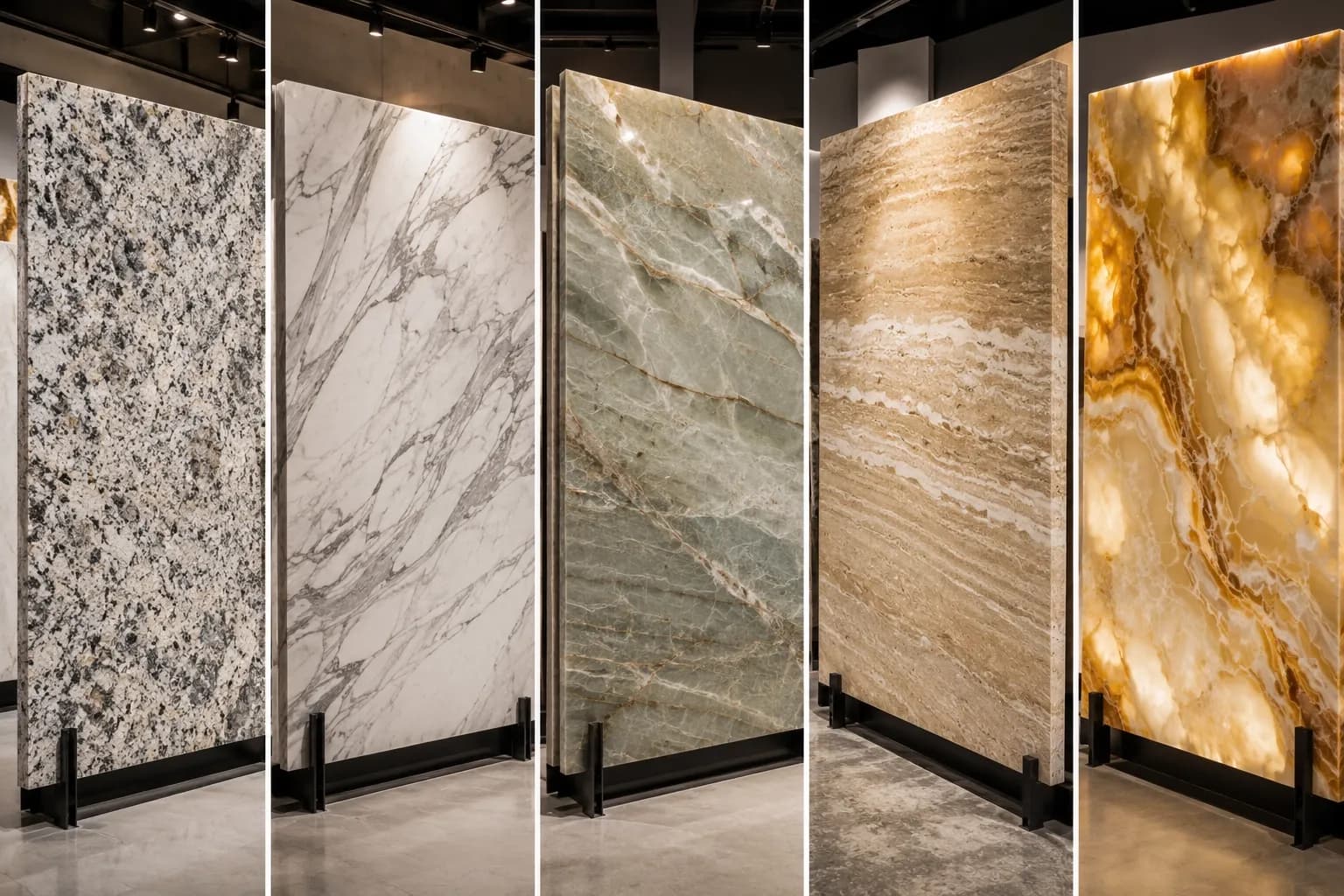
Types of Natural Stone Slabs
Understanding the differences between stone types is one of the most important steps in any natural stone slab buying guide. Each material offers unique characteristics, making it better suited for certain applications and design styles.
Granite
Granite is one of the most popular choices for natural stone slabs for kitchens because of its exceptional durability and natural beauty.
Formed from cooled magma beneath the Earth's surface, granite is a dense natural stone that performs well in busy environments. It offers excellent resistance to heat, scratches, and everyday wear, making it ideal for kitchen countertops and high-traffic spaces.
Granite slabs are available in a wide variety of colors and natural patterns, from subtle neutrals to bold, dramatic veining. Since every slab is unique, homeowners can create a truly one-of-a-kind design.
Marble
Marble is known for its timeless elegance and distinctive veining.
Its luxurious appearance makes it a popular choice for bathroom vanities, fireplace surrounds, feature walls, and other decorative applications. Many homeowners choose marble slabs when they want to create a sophisticated, high-end interior.
Although marble is softer than granite and quartzite, proper care and maintenance help preserve its beauty for years. Those who appreciate natural character often embrace the subtle patina that develops over time.
Quartzite
Quartzite combines the beauty of marble with impressive durability.
This natural stone forms when sandstone is exposed to intense heat and pressure, creating a dense surface that resists scratches and everyday wear. Because of its strength and elegant appearance, quartzite slabs have become increasingly popular for luxury kitchen countertops.
Many varieties feature dramatic veining similar to marble while offering greater durability for active households.
Travertine
Travertine offers a warm, natural appearance that complements Mediterranean, rustic, and traditional architectural styles.
Its soft earth tones and textured surface make travertine slabs an attractive choice for flooring, fireplace surrounds, accent walls, and certain outdoor living spaces.
When properly sealed and maintained, travertine provides lasting beauty while adding distinctive character to residential and commercial projects.
Onyx
Onyx is one of the most visually striking natural stones available.
Its translucent qualities and dramatic color variations make onyx slabs a favorite for statement features such as backlit walls, luxury bar tops, decorative panels, and custom interior accents.
While onyx is generally selected for decorative applications rather than heavy-use surfaces, its unique appearance creates an unforgettable focal point in premium interiors.
Factors to Consider Before Buying Natural Stone Slabs
Choosing the right natural stone slabs involves more than selecting a color. Consider how the stone will be used, how it fits your design, and the level of maintenance you're comfortable with.
Intended Application
Start by deciding where the slab will be installed. Kitchen countertops, bathroom vanities, fireplace surrounds, and outdoor spaces all have different performance requirements. Selecting a stone that matches your project's needs will help ensure long-term durability.
Color, Pattern, and Finish
Every natural stone slab is unique. Before making a purchase, view the entire slab instead of relying on a small sample.
Common finishes include:
- Polished: Glossy and reflective.
- Honed: Smooth with a matte appearance.
- Leathered: Slightly textured with a natural feel.
Choose a color and finish that complement your cabinetry, flooring, and overall design.
Slab Size and Thickness
The slab's size and thickness affect both appearance and installation. Larger slabs can reduce visible seams, while different thicknesses influence edge profiles and the overall look of the finished project.
Durability and Maintenance Requirements
Different stones require different levels of care. Some are naturally more resistant to scratches and heat, while others benefit from periodic sealing.
Following proper natural stone care practices helps preserve your investment.
How to Inspect a Natural Stone Slab Before You Buy
Always inspect the full slab before purchasing. Since no two pieces are identical, viewing the entire surface helps you understand its color, veining, and natural variation.
During your inspection, check:
- Overall color consistency
- Natural veining and movement
- Surface finish quality
- Edge condition
- Any natural fissures or mineral features
If possible, review the slab layout with your fabricator so important areas like countertops and islands showcase the most attractive sections of the stone.
Visiting a professional showroom also allows you to compare granite slabs, marble slabs, quartzite slabs, travertine slabs, and onyx slabs side by side, making it much easier to choose the right material for your project.
Common Mistakes First-Time Buyers Should Avoid
Buying natural stone slabs is a significant investment, so avoiding a few common mistakes can save time and money.
Some of the most common mistakes include:
- Choosing a slab based only on a small sample.
- Ignoring maintenance requirements before purchasing.
- Focusing only on price instead of long-term value.
- Not considering the slab's intended application.
- Skipping a professional inspection before fabrication.
Taking the time to compare different stones and view full slabs helps you make a more informed decision.
Why Visit a Natural Stone Showroom Before Buying
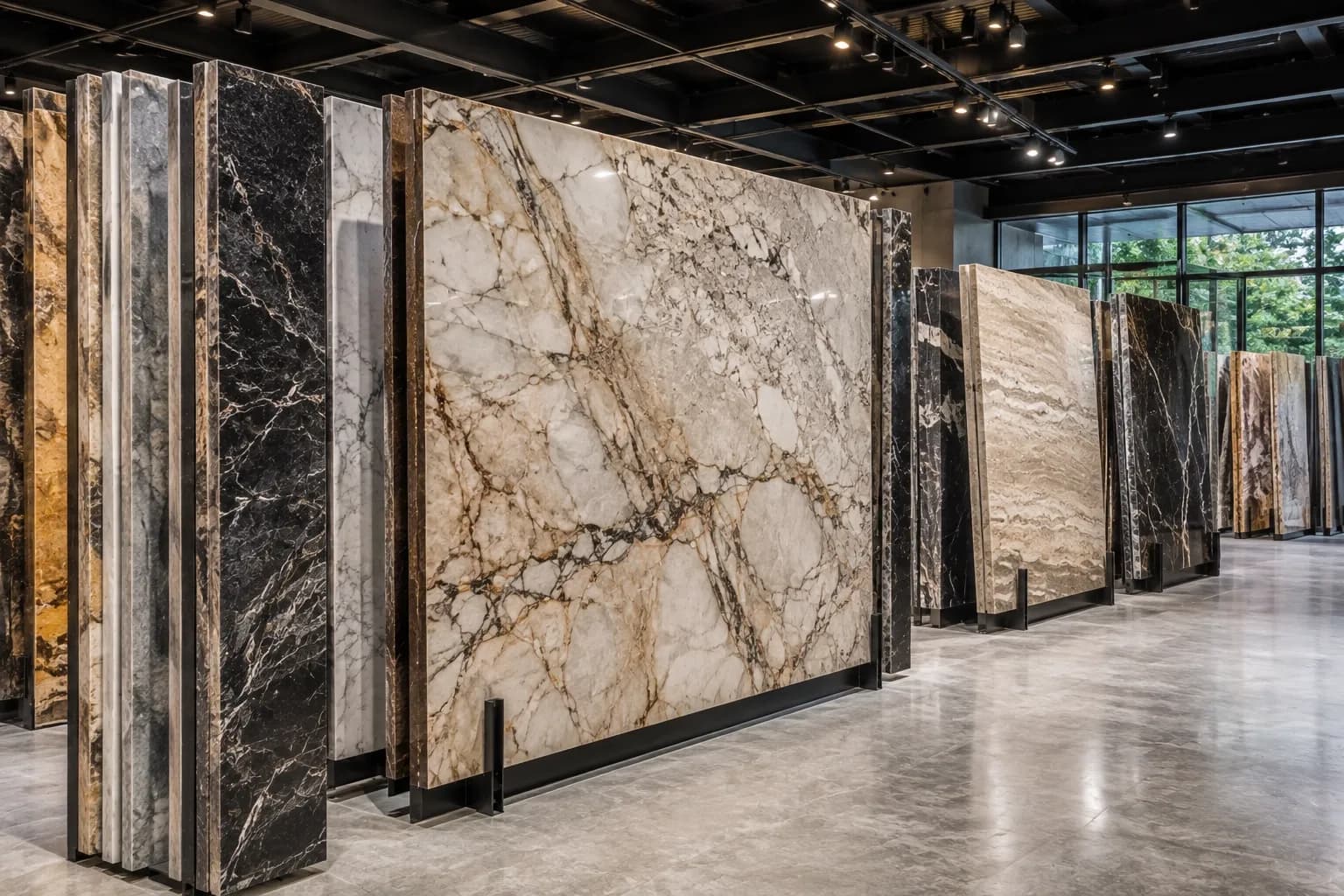
While online photos are useful for research, nothing compares to seeing natural stone in person. Lighting, veining, texture, and color can look very different on a full slab than they do in a photograph.
Visiting a showroom allows you to:
- Compare multiple stone types side by side.
- View full slabs instead of small samples.
- Match stone with cabinets, flooring, and other finishes.
- Receive expert recommendations based on your project.
- Select a slab that fits both your style and budget.
At Bay Stone Depot, you'll find an extensive collection of premium natural stone slabs for kitchens, bathrooms, fireplaces, and commercial spaces, making it easier to choose the right material with confidence.
Conclusion
Buying natural stone slabs doesn't have to be overwhelming. By understanding the different stone types, considering your project's requirements, and inspecting slabs before purchasing, you can confidently select a material that offers lasting beauty and performance.
Whether you're planning a kitchen remodel, bathroom renovation, or custom commercial project, visiting a trusted showroom is one of the best ways to compare materials and receive expert guidance.