

The Definitive Guide to Natural Stone Care and Maintenance
Natural stone care and maintenance involves regular cleaning, protecting surfaces from stains, and using the right products for each stone type. Marble, granite, quartzite, travertine, and onyx have different properties, so they do not all require the same treatment.
With proper care, natural stone countertops, floors, backsplashes, and other surfaces can retain their appearance for years. The key is understanding how your stone responds to moisture, acidic substances, everyday wear, and sealing products. This guide explains practical maintenance methods, common mistakes to avoid, and when professional cleaning or restoration may be necessary.
Understanding Natural Stone and Its Care Requirements
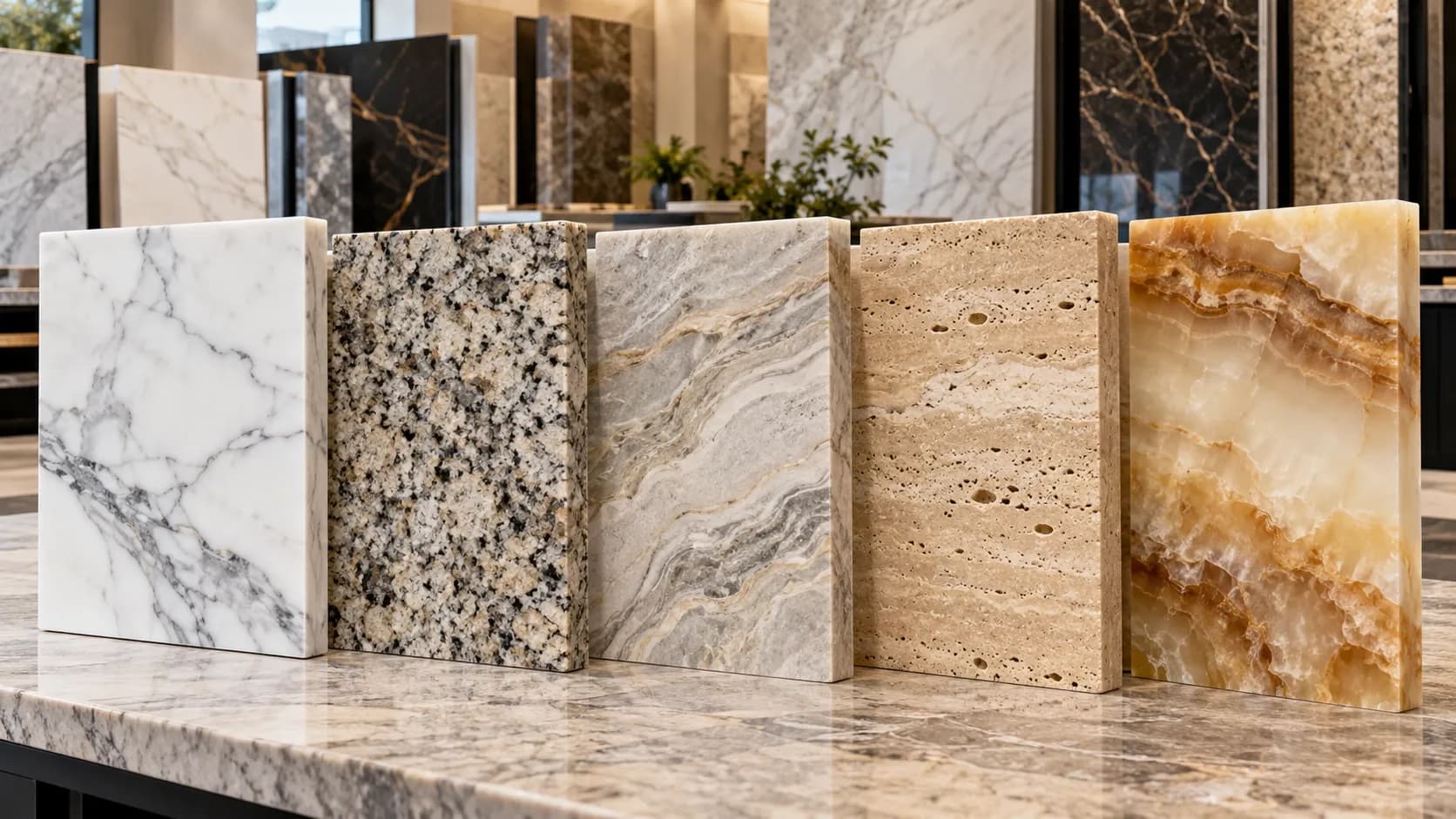
Natural stone forms through geological processes, creating distinctive patterns, mineral compositions, and surface characteristics. These differences affect how each material responds to stains, cleaning products, and moisture.
Stone Type | Main Characteristics | Important Care Consideration |
|---|---|---|
Marble | Elegant veining and a relatively soft surface | Sensitive to acids and scratching |
Granite | Hard, crystalline structure with varied patterns | Clean regularly and assess whether sealing is needed |
Quartzite | Natural veining and generally high hardness | Check the specific stone's porosity and sealing needs |
Travertine | Textured appearance with natural pores | Protect against staining and acidic products |
Onyx | Distinctive patterns and often translucent appearance | Handle carefully and follow material-specific cleaning guidance |
Porosity, finish, and the stone's mineral composition influence maintenance requirements. A polished surface may behave differently from a honed or textured finish, even when both are made from the same stone.
How to Protect Natural Stone From Stains and Damage
Daily habits make a significant difference in natural stone maintenance. Wipe spills promptly, use suitable cleaning products, and avoid placing heavy or abrasive objects directly on vulnerable surfaces.
Preventing Stains From Oil, Wine, Coffee, and Food
Cooking oils, coffee, wine, and food spills can leave marks on porous stone. Some substances penetrate the surface, while others discolor the finish if left for too long.
Blot spills with a soft cloth instead of spreading them across the countertop. Clean the area with a stone-safe cleaner and follow the product instructions.
For kitchen countertops, use cutting boards and coasters where appropriate. These simple habits reduce direct contact with staining substances and help protect the finish.
Protecting Stone From Acidic Cleaners and Etching
Vinegar, lemon juice, and many acidic household cleaners can react with calcium-based stones such as marble and travertine. This reaction may leave dull marks known as etching.
Etching differs from staining because it affects the surface finish rather than simply depositing color. Avoid acidic products unless the stone manufacturer's care instructions specifically permit them.
Use a pH-neutral cleaner formulated for natural stone. Test unfamiliar products in an inconspicuous area before applying them across the surface.
Avoiding Scratches, Heat Damage, and Surface Wear
Although some natural stones are hard, they are not completely resistant to damage. Abrasive powders, metal scouring pads, and dragging heavy objects can scratch or dull certain finishes.
Use trivets or heat-resistant pads for hot cookware. Avoid assuming that a stone countertop is immune to thermal shock, which can occur when temperatures change rapidly.
For floors, remove grit regularly and use suitable mats in busy areas. Small particles can act like abrasives under shoes and gradually wear down polished surfaces.
Natural Stone Sealing: When and How to Seal
Natural stone sealing helps reduce the penetration of certain liquids into porous surfaces. A suitable impregnating sealer enters the stone and makes spills less likely to penetrate immediately. However, it does not make every stone completely stainproof or prevent etching from acids.
Not every natural stone requires sealing. The correct approach depends on the material, finish, porosity, and intended use. Some granite and quartzite surfaces may need sealing, while the requirements for marble, travertine, and onyx vary by stone and treatment.
Before applying a sealer, clean the surface thoroughly and allow it to dry according to the product instructions. Apply the recommended amount, allow the appropriate dwell time, and remove excess product as directed. Residue left on the surface can create streaks or a hazy appearance.
Avoid sealing simply because a certain amount of time has passed. Instead, follow the fabricator's recommendations and the sealer manufacturer's guidance. If the surface becomes harder to maintain or absorbs water more readily than expected, seek advice before resealing.
Natural Stone Care by Material Type
Each stone requires a slightly different approach. Using the right cleaning method helps protect its finish and reduces the risk of avoidable damage.
Marble Care and Maintenance
Marble is valued for its natural veining, but its calcium-based composition makes it vulnerable to acids. Lemon juice, vinegar, and acidic cleaners can leave dull marks even when the surface has been sealed.
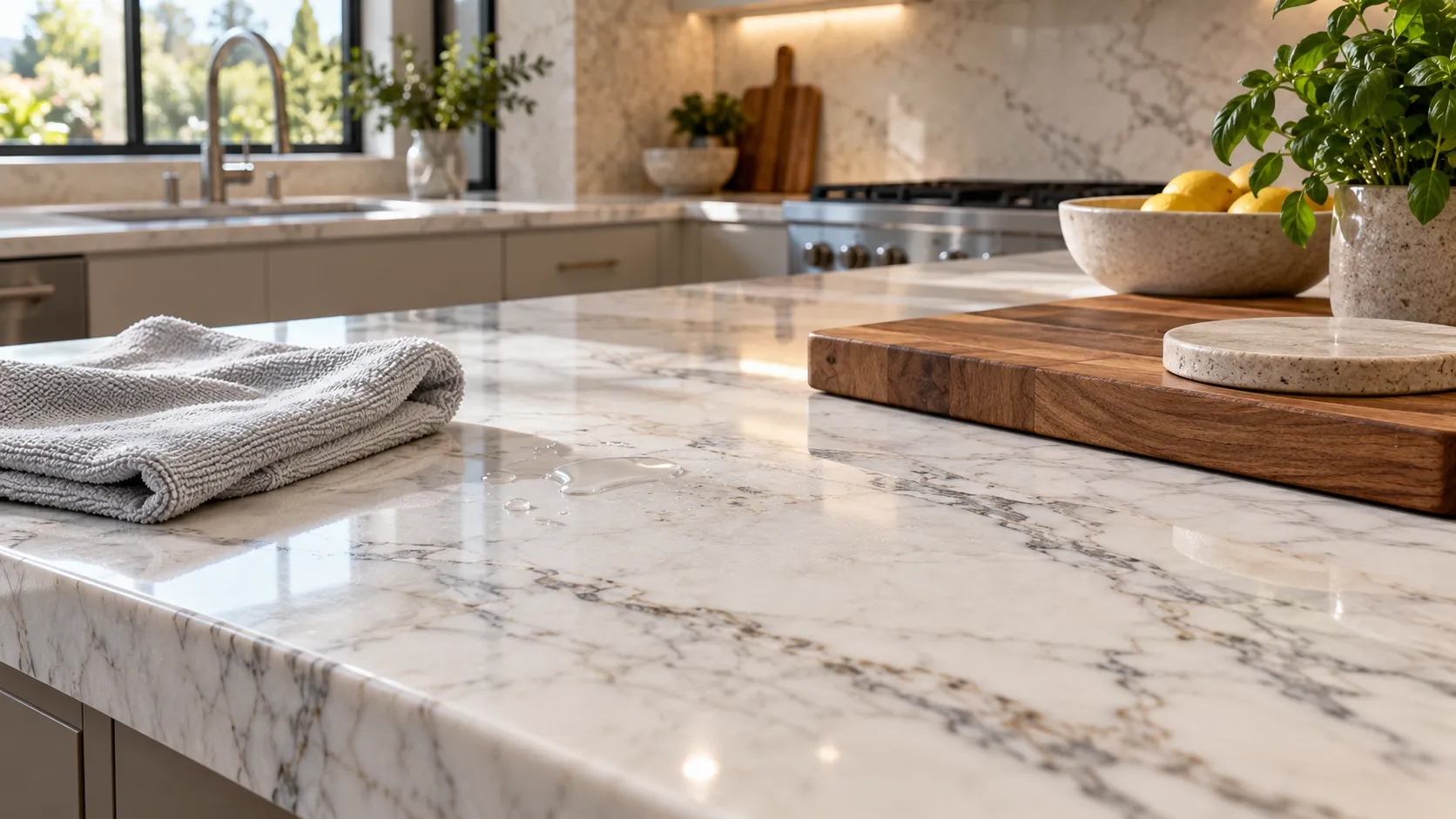
Clean marble with a soft microfiber cloth and a pH-neutral stone cleaner. Wipe spills promptly, especially wine, citrus juice, and coffee. Avoid abrasive scrubbers and harsh cleaning powders that can damage the finish.
Sealing may help reduce staining, but it will not prevent etching. If your marble develops dull patches, consult a stone-care professional before attempting to polish the surface yourself.
Granite Care and Maintenance
Granite is generally durable and suitable for busy kitchens, bathrooms, and other frequently used areas. However, its porosity varies, so some granite surfaces benefit from an appropriate sealer.
For everyday cleaning, use warm water with a stone-safe cleaner and a soft cloth. Remove food residue and dry the surface to prevent water spots, particularly around sinks and faucets.
Avoid assuming every granite countertop needs the same sealing schedule. Follow the recommendations for your specific stone and sealer, and address spills promptly to reduce the risk of staining.
Quartzite Care and Maintenance
Natural quartzite is known for its hardness and distinctive mineral patterns. However, its performance varies by slab, and some stones sold under similar names may have different compositions or treatments.
Use a pH-neutral cleaner and avoid acidic products until you confirm the stone's care requirements. Wipe spills promptly and use cutting boards to protect the surface from scratches caused by kitchen tools.
Ask your fabricator whether your specific quartzite needs sealing. This is particularly important when selecting a slab for a kitchen countertop, where exposure to oils, food, and moisture is frequent.
Travertine Care and Maintenance
Travertine has a naturally porous structure and often contains small pits or filled areas. Its appearance can be affected by staining, moisture, and acidic substances.
Clean travertine with a suitable pH-neutral product and a soft cloth or mop. Avoid vinegar, lemon-based cleaners, and abrasive tools. These can damage the surface or affect its finish.
For floors and bathrooms, remove standing water and dry wet areas when practical. Ask a stone-care professional about appropriate sealing and maintenance products for the specific finish.
Onyx Care and Maintenance
Onyx is often selected for its striking patterns and translucent appearance. Some varieties are relatively delicate, making careful cleaning especially important.
Use a soft cloth and a cleaner approved for the particular stone. Avoid abrasive pads, acidic chemicals, and aggressive scrubbing. Wipe spills promptly and protect the surface from impacts and heavy objects.
Because onyx can be more sensitive to handling and surface damage, consult your fabricator before attempting repairs, polishing, or stain removal. Specialized treatment may be necessary to preserve its appearance.
Removing Common Natural Stone Stains and Surface Problems
The right treatment depends on whether you're dealing with a stain, mineral deposit, scratch, or chemical reaction. Using the wrong cleaning product can make the damage worse.
Common natural stone problems and their recommended approaches include:
- Oil-based stains: Cooking oil and grease can penetrate porous stone. A stone-safe poultice may help draw the oil out of the surface.
- Organic stains: Coffee, tea, wine, and food can leave discoloration. Clean spills promptly and use a stain remover approved for your stone.
- Water spots and mineral deposits: These often appear around faucets, sinks, and showers. Use a soft cloth and a stone-safe cleaner rather than acidic limescale removers.
- Etching and dull spots: Acidic substances can react with marble and other calcium-based stones, leaving dull marks. Routine cleaning will not usually restore the original finish.
- Scratches and surface wear: Abrasive tools and everyday friction can damage polished stone. Depending on the severity, professional honing or polishing may be necessary.
Before treating a stain, identify its likely cause and check which products are safe for your material. Test suitable cleaners in an inconspicuous area first.
If a stain persists or the surface remains dull after cleaning, consult a stone-care professional instead of repeatedly scrubbing the affected area.
Professional Natural Stone Cleaning, Polishing, and Restoration
Routine cleaning is usually enough for everyday maintenance, but some problems require professional attention. Deep stains, extensive etching, scratches, uneven polishing, and worn finishes may need specialized treatment.
Professional cleaning can help remove stubborn buildup without relying on unsuitable household chemicals. Honing can reduce surface imperfections and create a more uniform matte finish, while polishing can restore a smoother, more reflective appearance when appropriate for the stone.
Restoration methods depend on the material, damage, and existing finish. For example, a dull marble countertop may need refinishing rather than another coat of sealer. Applying more sealer will not repair etching or scratches.
Integrated stone sinks and other custom features may also need careful attention around joints and drainage areas.
Before hiring a restoration professional, explain the problem, identify the stone if possible, and ask which treatment is suitable. A proper assessment helps avoid unnecessary work and protects the surface from further damage.
Conclusion
Natural stone care and maintenance starts with understanding the material, using suitable cleaning products, and addressing spills before they become persistent problems. Marble, granite, quartzite, travertine, and onyx each have different care requirements, so a single cleaning method will not work equally well for every surface.
Clean regularly, avoid products that can damage the finish, and seal only when the stone and manufacturer recommendations call for it. For persistent stains, etching, or surface damage, professional advice can help determine the right treatment.
If you're selecting stone for a new project or replacing an existing surface, Bay Stone Depot can help you compare material options and understand their practical care requirements. You can contact the team to discuss your project.